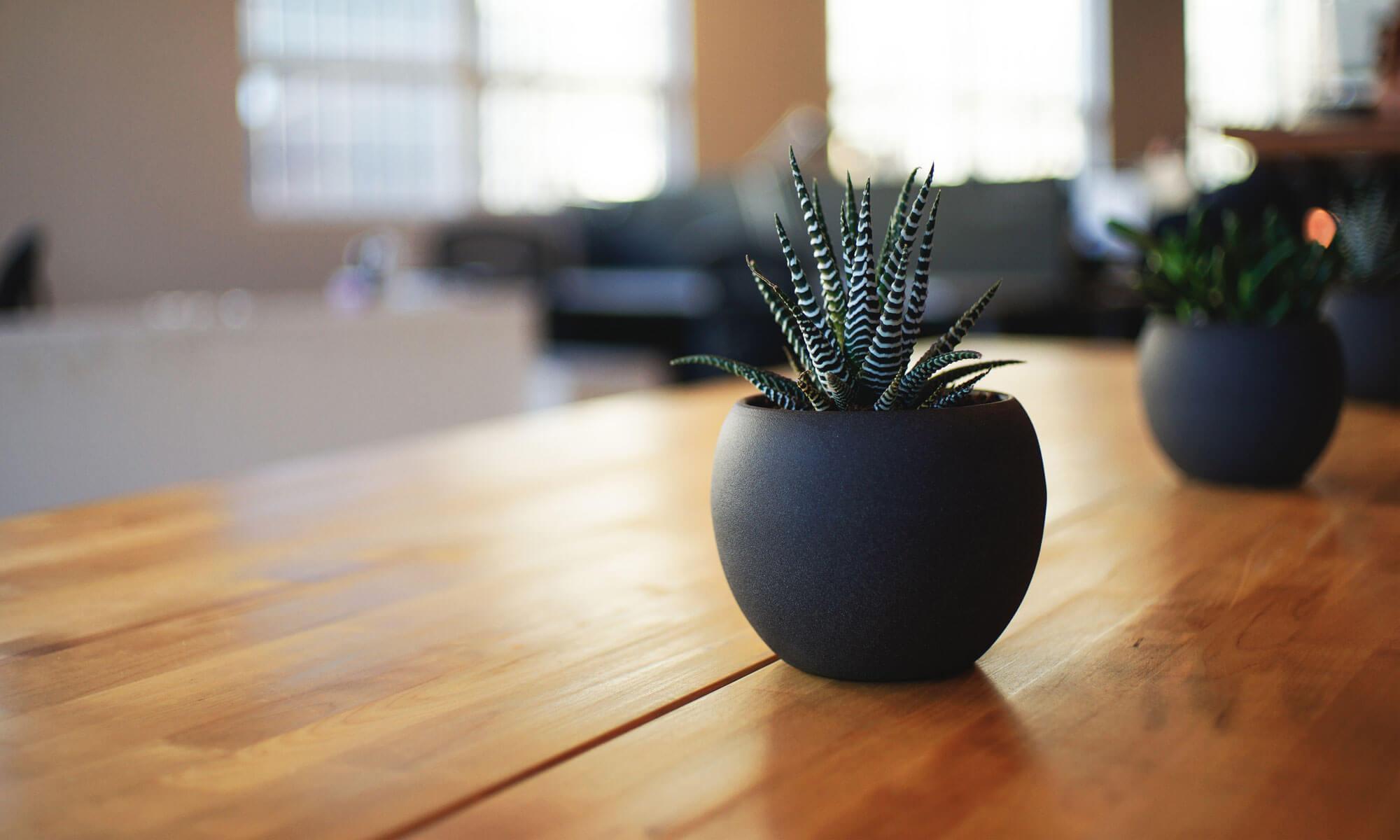
- Wonderful textures and unique home décor ideas await at spinpins.co.uk for every room
- Elevating Living Spaces with Textured Décor
- The Importance of Tactile Experiences
- Curating Décor Themes for Every Room
- Exploring Different Décor Styles
- The Role of Lighting in Enhancing Décor
- Choosing the Right Fixtures
- Finding Unique Pieces: Beyond the Mainstream
- The Ongoing Evolution of Home Style
Wonderful textures and unique home décor ideas await at spinpins.co.uk for every room
Finding the perfect décor for your home can be a delightful, yet often challenging, experience. Many individuals seek unique pieces that reflect their personal style and transform a house into a welcoming haven. Fortunately, platforms like spinpins.co.uk have emerged as a treasure trove for those seeking exceptional textures and captivating home décor ideas. From subtle accents to statement pieces, the possibilities are endless, offering solutions for every room and aesthetic preference.
The modern homeowner is increasingly discerning, looking beyond mass-produced items for pieces that possess character and individuality. There is a growing appreciation for craftsmanship, quality materials, and elements that tell a story. This desire for authenticity translates into a demand for décor that isn’t simply functional, but also adds visual interest and emotional resonance to living spaces. The challenge lies in finding these special items without spending countless hours searching through multiple stores or websites. This is where curated online marketplaces, focused on unique offerings, become invaluable.
Elevating Living Spaces with Textured Décor
Texture plays a critical role in interior design, adding depth and tactility to a room. It’s often underestimated, yet it’s one of the most impactful elements in creating a comfortable and visually appealing environment. Think about the difference between a room filled with smooth, hard surfaces and one that incorporates a variety of textures—woven fabrics, natural wood, plush rugs, and metallic accents. The latter immediately feels warmer, more inviting, and more complete. Incorporating textured décor isn’t about adhering to a particular style; it’s about layering different elements to create a harmonious and engaging space. This layering provides visual interest and caters to our innate human preference for complexity in our surrounding environment. A space devoid of texture can feel sterile and unwelcoming, while thoughtfully layered textures can create a sense of luxury and coziness.
The Importance of Tactile Experiences
Beyond visual appeal, texture engages our sense of touch, making a space feel more personal and inviting. Choosing materials with interesting textures, like chunky knit throws, velvet cushions, or bamboo blinds, encourages interaction and adds to the overall sensory experience. Consider the impact of walking barefoot on a soft rug versus a cold tile floor – the tactile sensation significantly influences our perception of comfort and warmth. This is especially important in spaces designed for relaxation, such as bedrooms and living rooms. The addition of tactile elements contributes to a sense of well-being and encourages a deeper connection to the home environment. Don't be afraid to mix and match different textures; the contrast is what creates visual excitement and depth.
| Texture Type | Room Applications |
|---|---|
| Woven Fabrics (Rugs, Curtains) | Living Rooms, Bedrooms, Dining Rooms |
| Natural Wood (Furniture, Accents) | All Rooms, particularly Kitchens and Living Rooms |
| Velvet (Upholstery, Cushions) | Bedrooms, Living Rooms, Reading Nooks |
| Metal Accents (Lighting, Hardware) | All Rooms, for a touch of sophistication |
Selecting the right textures can dramatically alter the mood of a room. Light, airy fabrics contribute to a sense of spaciousness, while heavier, more substantial textures create a cozy and intimate atmosphere. Understanding how texture interacts with light and color is key to creating a cohesive and well-designed space. Furthermore, remember that texture doesn’t have to be expensive. Simple additions, like layering different cushions or adding a textured throw blanket, can make a significant impact without breaking the bank.
Curating Décor Themes for Every Room
Defining a décor theme provides a cohesive foundation for your interior design efforts. Whether you prefer a minimalist aesthetic, a rustic farmhouse look, or a vibrant bohemian style, establishing a clear theme ensures that your décor choices complement each other. A well-defined theme simplifies the selection process, preventing a cluttered or disjointed appearance. It's also helpful to consider the function of each room when selecting a theme. A bedroom should exude tranquility and relaxation, while a kitchen might benefit from a more energetic and functional design. The great thing about décor themes is that they are not rigid rules; they are guidelines that can be adapted to your personal preferences and lifestyle. Don't be afraid to experiment and combine elements from different themes to create a truly unique and personalized space.
Exploring Different Décor Styles
There’s a vast array of décor styles to choose from, each with its own unique characteristics. Scandinavian style emphasizes simplicity, functionality, and natural materials. Bohemian style embraces vibrant colors, eclectic patterns, and a relaxed, free-spirited vibe. Coastal style evokes the serenity of the ocean with light colors, natural textures, and nautical accents. Industrial style celebrates raw materials, exposed brick, and a minimalist aesthetic. Modern farmhouse style combines the charm of rustic farmhouse elements with the clean lines of contemporary design. Before committing to a particular style, research different options and gather inspiration from magazines, websites, and social media platforms. Consider your existing furniture and architectural features when making your decision.
- Scandinavian: Focuses on simplicity, functionality, and light colors.
- Bohemian: Embraces eclecticism, vibrant colors, and natural materials.
- Coastal: Creates a relaxed, beachy vibe with light colors and nautical accents.
- Industrial: Celebrates raw materials, exposed brick, and minimalist design.
Don't feel constrained by labels; you can always create a hybrid style that reflects your individual taste. For instance, you might combine elements of Scandinavian and bohemian styles to create a space that is both minimalist and inviting. The key is to create a cohesive look that feels authentic to you and your lifestyle. Furthermore, remember that décor styles evolve over time, so don’t be afraid to update your space as your tastes change.
The Role of Lighting in Enhancing Décor
Lighting is often overlooked, but it’s arguably one of the most important elements in interior design. It not only illuminates a space but also sets the mood, highlights architectural features, and enhances the beauty of your décor. Different types of lighting—ambient, task, and accent—serve distinct purposes and should be strategically layered to create a well-lit and visually appealing environment. Ambient lighting provides overall illumination, task lighting focuses on specific areas for activities like reading or cooking, and accent lighting highlights artwork or architectural features. Consider the color temperature of your light bulbs as well. Warm-toned light creates a cozy and inviting atmosphere, while cool-toned light is more energizing and functional.
Choosing the Right Fixtures
The fixtures themselves should complement your décor style. For a modern space, sleek and minimalist fixtures are a good choice. For a traditional space, ornate chandeliers and sconces can add a touch of elegance. Don't be afraid to experiment with different materials and finishes. Metallic fixtures can add a touch of glamour, while wooden fixtures can create a warmer and more rustic feel. Pay attention to the scale of the fixtures as well. A large chandelier can overwhelm a small room, while a small sconce might get lost in a large space. Properly chosen lighting can transform a room, making it feel more spacious, inviting, and visually appealing.
- Assess the room's natural light sources.
- Layer different types of lighting.
- Choose fixtures that complement your décor style.
- Consider the color temperature of your light bulbs.
Smart lighting systems offer additional control and customization options. You can adjust the brightness and color temperature of your lights remotely, create scenes for different activities, and even automate your lighting schedule. This adds convenience and allows you to tailor the lighting to your specific needs and preferences. Investing in quality lighting is an investment in the overall comfort and aesthetic appeal of your home.
Finding Unique Pieces: Beyond the Mainstream
In a world dominated by mass-produced items, the search for unique home décor pieces can feel like a daunting task. However, there are numerous avenues to explore, from antique stores and flea markets to online marketplaces specializing in handcrafted and vintage goods. These sources often offer one-of-a-kind items that add character and individuality to your home. Supporting independent artists and artisans is another great way to find unique décor. Online platforms like Etsy connect buyers directly with creators, providing access to a wide range of handmade items. Searching for pieces with a story, crafted with care and attention to detail, adds a personal touch to your home.
The Ongoing Evolution of Home Style
Home décor isn't static; it's a constantly evolving reflection of our personal tastes and lifestyles. Trends come and go, but the underlying principles of good design—balance, harmony, and functionality—remain constant. Embracing change and incorporating new elements into your space keeps your home feeling fresh and inviting. Consider viewing your home as a canvas, constantly experimenting with different colors, textures, and arrangements. A good starting point is from sites like spinpins.co.uk, offering inspiration and unique pieces to integrate. Don't be afraid to take risks and express your creativity. Ultimately, the most important thing is to create a space that you love and that reflects your personality.
The integration of sustainable and ethically sourced materials is becoming increasingly important in home décor. Consumers are more conscious of the environmental impact of their purchases and are actively seeking out products that are made with respect for both people and the planet. This trend is driving innovation in the industry, with designers and manufacturers exploring new materials and production methods. Choosing sustainable décor options is a way to create a beautiful and comfortable home while also making a positive contribution to the environment. This conscious consumption is a defining characteristic of modern home design.