
Cultural perspectives on gambling Exploring beliefs and practices across different societies
Historical Context of Gambling
The roots of gambling can be traced back thousands of years, with ancient civilizations engaging in various forms of betting and games of chance. Archaeological findings suggest that the Chinese were betting on games of chance as early as 2300 BC, utilizing simple dice made from animal bones. Similarly, the Romans used gambling as a form of entertainment, often wagering on gladiatorial contests and other public events. Such historical practices laid the groundwork for modern gambling, showcasing its enduring presence across diverse cultures. Today, you can experience these thrilling games online at the Rubyreels official site, where the excitement of casino gaming continues this legacy.
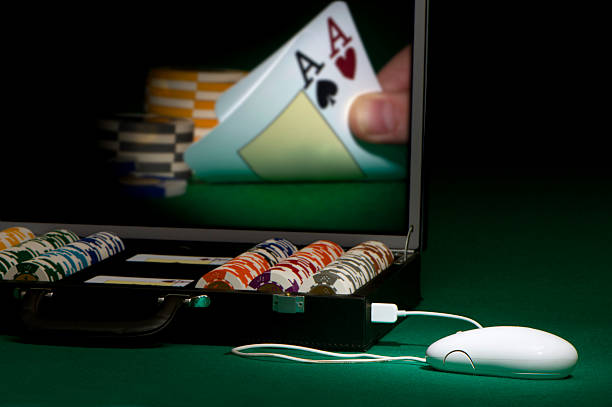
In many early societies, gambling was intertwined with religious and social rituals. For instance, ancient Egyptians played games that had spiritual significance, often believing that the outcomes were influenced by the gods. In this context, gambling served not only as a leisure activity but also as a means of connecting with the divine. This fusion of spirituality and gambling highlights the complex cultural perspectives that have developed over time, shaping how societies view games of chance.
With the rise of modernity, gambling evolved further, influenced by economic changes and the advent of technology. The establishment of casinos in the 17th century in Italy marked a significant milestone, transforming gambling into a formalized industry. As societies became more globalized, the interplay between cultural attitudes and gambling practices continued to shift, leading to the diverse landscape of gambling we see today.
Gambling in Eastern Cultures
In Eastern cultures, gambling often carries profound social implications and is frequently associated with luck and fortune. In countries like China, traditional games such as Mahjong and various lottery systems are ingrained in the culture, particularly during festive occasions like the Lunar New Year. These practices reflect a communal approach to gambling, where the activity is not merely an individual pursuit but a social event that fosters connections among family and friends.
Moreover, gambling in Eastern societies is often governed by a blend of tradition and modern regulations. For example, while Macau has emerged as a global gambling hub, traditional practices still coexist with contemporary casino culture. The intricate relationship between gambling and cultural beliefs in countries like Japan further illustrates this point, where certain games are viewed as a test of skill and strategy rather than mere chance.
However, the rapid commercialization of gambling has led to concerns over addiction and societal impacts. Governments are increasingly grappling with the balance between promoting tourism and protecting citizens from the potential harms of gambling. This ongoing dialogue reflects the complexities of cultural attitudes toward gambling in the East, where traditions meet modern challenges.
Gambling in Western Cultures
In Western cultures, gambling has been historically viewed through various lenses, from a form of entertainment to a vice. The rise of casinos in the United States during the 20th century marked a pivotal shift, with Las Vegas becoming synonymous with gambling. This city not only transformed the perception of gambling but also embedded it deeply into the American cultural fabric. Events such as the Super Bowl have turned into informal gambling spectacles, showing how mainstream gambling has become.
Additionally, Western societies often approach gambling with a more individualistic perspective, where personal responsibility plays a significant role. The advent of online gambling has further revolutionized how people engage with games of chance, allowing for unprecedented accessibility. This has raised questions about regulation, consumer protection, and the ethical implications of online gaming platforms, prompting ongoing discussions about responsible gambling.
Nonetheless, Western cultures are also witnessing a backlash against gambling, particularly as issues of addiction and social inequality come to the forefront. Advocacy groups are increasingly vocal about the need for responsible gambling practices and greater awareness of the potential risks involved. This evolving dynamic highlights the multifaceted nature of gambling in Western societies, where enjoyment and concern often coexist.
Indigenous Perspectives on Gambling
Indigenous cultures around the world have their own unique perspectives on gambling, which often reflect their specific historical contexts and social structures. For many Indigenous communities, gambling is not merely an act of chance but a cultural practice tied to identity and tradition. For instance, traditional games like stick gambling are integral to social gatherings among Native American tribes, serving as a means of storytelling and cultural expression.
Moreover, the view of gambling in Indigenous cultures can be seen as a double-edged sword. On one hand, it can strengthen community bonds and provide entertainment; on the other, it may pose risks if not properly managed. The challenge often lies in integrating modern gambling regulations with traditional practices, creating a space where both can coexist without undermining cultural values.
As Indigenous communities navigate the complexities of modern gaming legislation, there is an increasing recognition of the importance of maintaining cultural integrity. This ongoing dialogue emphasizes the need for a balanced approach that honors traditional practices while addressing contemporary challenges. Thus, the cultural perspectives on gambling within Indigenous societies serve as a reminder of the diverse meanings and values attributed to this activity worldwide.
Emerging Trends and Global Perspectives
In recent years, the global landscape of gambling has been dramatically altered by technological advancements and changing social attitudes. The rise of online gambling platforms has not only increased accessibility but has also diversified the types of games available to players worldwide. Virtual casinos and mobile gaming apps are drawing younger audiences, prompting cultures to rethink their regulations and social perceptions surrounding gambling.
Moreover, as globalization continues to reshape cultural norms, gambling is increasingly viewed through a lens of entertainment and leisure rather than just a vice. This shift has led to more acceptance of gambling as a mainstream activity in various societies, fostering discussions about its role in economic development, tourism, and social welfare. Countries like Singapore have embraced regulated casinos as part of their urban development plans, demonstrating a trend toward normalization.
However, this global acceptance brings forth challenges, particularly regarding responsible gambling. As societies balance the economic benefits of the gambling industry with the potential social costs, ongoing education and awareness are crucial. Many countries are now implementing initiatives to promote responsible gambling practices, reflecting a more nuanced understanding of the implications of gambling in a rapidly evolving world.

Conclusion: Cultural Perspectives on Gambling Today
As we explore the myriad cultural perspectives on gambling, it becomes evident that this activity transcends mere chance, weaving itself into the fabric of societies worldwide. From the ancient rituals of early civilizations to the contemporary practices seen in casinos and online platforms, gambling embodies a rich tapestry of beliefs, values, and social dynamics. Each culture’s unique history and perspective inform its approach to gambling, illustrating the deep connections between identity and chance.
Furthermore, as the global landscape of gambling continues to evolve, societies are faced with the challenge of navigating the balance between enjoyment and responsibility. Understanding the cultural significance of gambling can facilitate more meaningful discussions about its role in modern life. This awareness is essential for promoting not only the economic benefits of gambling but also the well-being of individuals and communities.