- Innovation delivered through https://thebonrushs-uk.uk transforms modern living spaces
- The Evolution of Interior Design Trends
- Sustainability and Eco-Conscious Design
- The Rise of Smart Home Integration
- Selecting the Right Smart Home Ecosystem
- Biophilic Design: Connecting with Nature
- Implementing Biophilic Principles in Your Home
- The Role of Lighting in Modern Interiors
- Adapting Spaces for Future Needs
Innovation delivered through https://thebonrushs-uk.uk transforms modern living spaces
In today’s rapidly evolving world, the concept of a modern living space is constantly being redefined. Homeowners and designers alike are seeking innovative solutions to maximize comfort, functionality, and aesthetic appeal. At the heart of this transformation lies a commitment to quality, thoughtful design, and a seamless integration of technology. This is where services like those offered by https://thebonrushs-uk.uk play a pivotal role, delivering cutting-edge solutions that reshape how we experience our homes. The demand for adaptable and stylish living environments continues to grow.
The integration of smart home technology, sustainable materials, and biophilic design principles are all contributing to this shift. A growing awareness of well-being and the desire for spaces that nurture both physical and mental health are driving the need for personalized and adaptable interiors. From smart lighting and automated climate control to eco-friendly building materials and connection to nature, the possibilities are endless. These advancements aren't simply about adding convenience; they're about fundamentally changing the way we interact with and experience our environments for the better.
The Evolution of Interior Design Trends
Interior design has undergone a dramatic evolution over the past few decades, shifting from rigid, formal styles to more fluid, personalized, and experiential spaces. Previously, a cookie-cutter approach was commonplace, with homes often reflecting standardized aesthetics. However, modern trends emphasize individuality, reflecting the unique personalities and lifestyles of those who inhabit the space. This has driven a surge in demand for bespoke design services and customizable solutions. This shift stems from a greater understanding of how our surroundings impact our well-being, and a desire to create homes that truly feel like sanctuaries rather than simply places to live. The influence of global cultures and technology has also played a significant role in this transformation, exposing people to a wider range of design aesthetics and innovations.
Sustainability and Eco-Conscious Design
A key driver of modern interior design is a growing commitment to sustainability. Consumers are increasingly aware of the environmental impact of their choices and are actively seeking eco-friendly materials, energy-efficient appliances, and sustainable design practices. This includes incorporating recycled and repurposed materials, utilizing low-VOC paints and finishes, and optimizing natural light to reduce energy consumption. Sustainable design isn’t just about environmental responsibility; it's also about creating healthier and more comfortable living spaces. It’s a move away from disposable consumerism and towards a more mindful approach to home design, valuing longevity, durability, and responsible sourcing. This is reflected in the growing popularity of natural materials like bamboo, cork, and reclaimed wood, as well as the incorporation of plants and greenery to improve air quality and create a connection to nature.
| Material | Sustainability Rating (1-5, 5 being highest) | Cost (relative) | Durability |
|---|---|---|---|
| Bamboo | 5 | Medium | High |
| Reclaimed Wood | 4 | High | Very High |
| Cork | 4 | Medium | Medium-High |
| Low-VOC Paint | 3 | Medium | Medium |
The table above illustrates the relative sustainability and cost considerations for some common eco-friendly materials. Choosing the right materials is crucial to creating a sustainable living space.
The Rise of Smart Home Integration
The integration of smart home technology has revolutionized the way we interact with our living spaces. From automated lighting and climate control to voice-activated assistants and security systems, smart technology offers convenience, energy efficiency, and enhanced security. This technology allows homeowners to control various aspects of their homes remotely, creating a more comfortable and efficient living environment. The sheer variety of available smart devices and systems can be overwhelming, but a well-planned integration can seamlessly enhance the functionality and comfort of a home. Smart home technology isn't just about convenience; it's also about creating a more adaptive and responsive living environment that caters to the needs of its occupants. For example, smart thermostats can learn your temperature preferences and automatically adjust the heating and cooling accordingly, saving energy and reducing costs.
Selecting the Right Smart Home Ecosystem
When incorporating smart home technology, it's important to choose an ecosystem that aligns with your needs and preferences. Several major platforms exist, including Amazon Alexa, Google Assistant, and Apple HomeKit, each with its own strengths and weaknesses. Consider factors such as compatibility with existing devices, ease of use, privacy concerns, and the range of available integrations. A cohesive ecosystem ensures seamless communication between different devices and allows for centralized control. Researching different options and reading reviews is essential before investing in any smart home technology. Interoperability is a key consideration; ensuring that devices from different manufacturers can work together smoothly is crucial for creating a truly integrated smart home experience. The future of smart home integration likely lies in open standards and increased interoperability, allowing for greater flexibility and customization.
- Improved energy efficiency through smart thermostats and lighting.
- Enhanced security with smart locks and security cameras.
- Increased convenience through voice-activated assistants and automated routines.
- Greater control over home systems, even when away from home.
- Personalized comfort based on individual preferences.
These points highlight some of the key benefits of integrating smart home technology into a modern living space. The capabilities are constantly expanding, offering even more possibilities for enhancing the home experience.
Biophilic Design: Connecting with Nature
Biophilic design is an approach to architecture and interior design that seeks to connect building occupants more closely to the natural environment. This is achieved through the incorporation of natural light, ventilation, natural materials, and elements that mimic nature. The core principle is that humans have an innate affinity for nature, and that incorporating natural elements into the built environment can improve well-being, reduce stress, and enhance productivity. Biophilic design moves beyond simply adding plants to a space; it's about creating a holistic connection to nature that engages the senses and promotes a sense of calm and tranquility. This design approach can range from incorporating natural textures and colors to creating indoor gardens and water features.
Implementing Biophilic Principles in Your Home
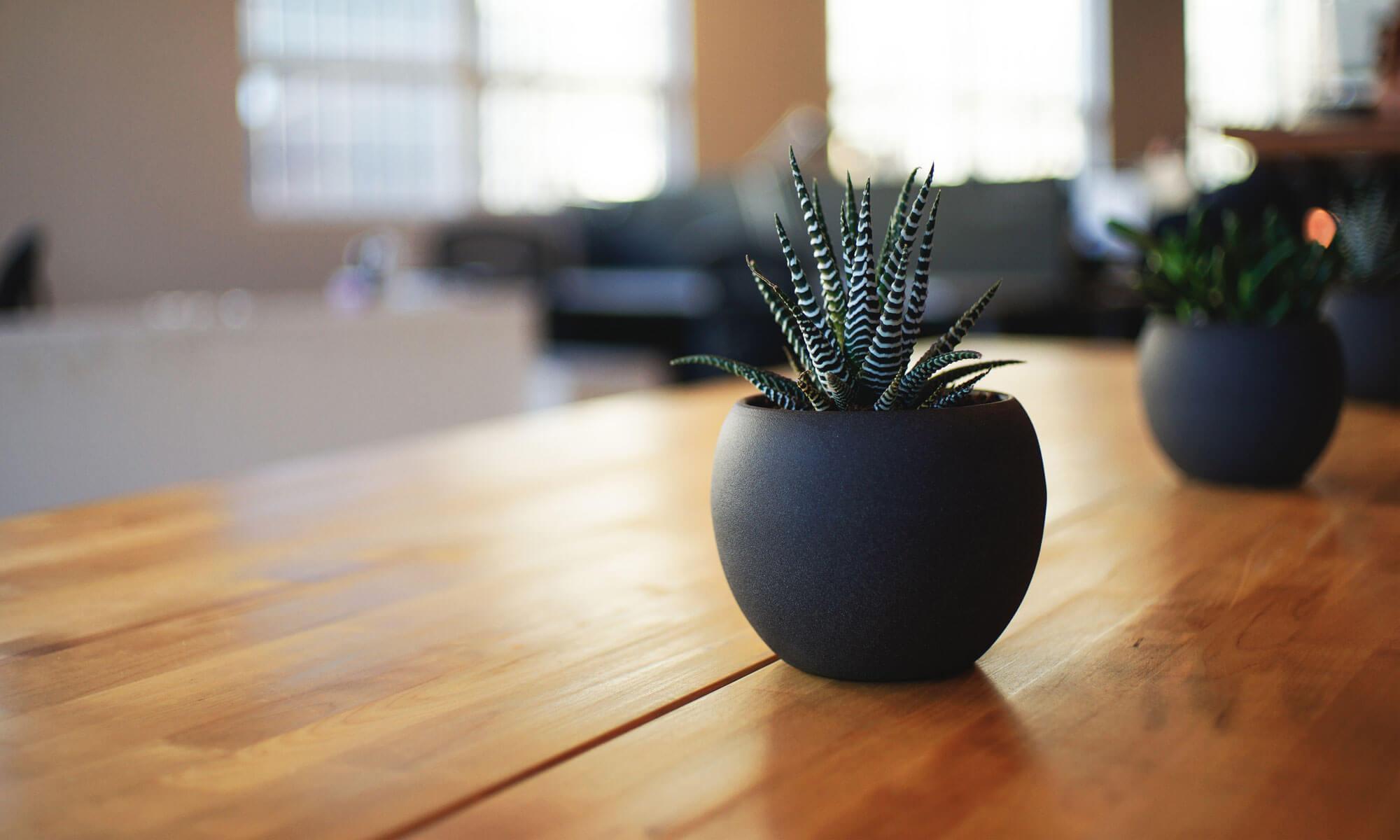
Implementing biophilic design principles doesn't require a complete renovation. Small changes can have a significant impact. Introducing houseplants is a simple and effective way to bring nature indoors. Utilizing natural light and maximizing views of outdoor landscapes can also enhance the connection to nature. Incorporating natural materials like wood, stone, and bamboo adds texture and warmth to a space. Even subtle details, such as using nature-inspired artwork or incorporating water features, can contribute to a biophilic design aesthetic. The goal is to create a space that feels restorative and nurturing, fostering a sense of well-being and connection to the natural world. Choosing colors that reflect nature, such as greens, blues, and browns, can also contribute to a calming and harmonious atmosphere.
- Incorporate plenty of natural light.
- Use natural materials like wood and stone.
- Add houseplants to improve air quality and bring life indoors.
- Maximize views of the outdoors.
- Choose colors inspired by nature.
Following these steps can assist in implementing biophilic principles, creating a more harmonious living space. A carefully curated natural element can significantly enhance well-being.
The Role of Lighting in Modern Interiors
Lighting plays a critical role in defining the mood and functionality of a modern interior. It surpasses mere illumination; it's a design element that can dramatically alter the perception of space, highlight architectural features, and create a desired ambiance. Layered lighting schemes, incorporating ambient, task, and accent lighting, are essential for achieving a well-lit and versatile space. Ambient lighting provides overall illumination, task lighting focuses on specific areas for activities like reading or cooking, and accent lighting highlights artwork or architectural details. The advent of LED technology has provided greater control over color temperature and intensity, allowing for more customized lighting solutions.
Smart lighting systems offer even greater flexibility, enabling homeowners to adjust lighting levels remotely, create custom scenes, and automate lighting schedules. This not only enhances convenience but also contributes to energy savings. The proper lighting design can significantly enhance the aesthetic appeal of a space and improve the overall living experience. Thinking about lighting as a critical element, rather than an afterthought, is essential for creating a truly exceptional interior.
Adapting Spaces for Future Needs
The modern home is no longer solely envisioned as a static living arrangement. Increasingly, homeowners anticipate changes in lifestyle, work patterns, and family dynamics. Designing spaces that can readily adapt to these evolving needs is therefore paramount. Flexible furniture arrangements, multi-functional rooms, and modular storage solutions are key components of adaptable design. For example, a home office can be easily converted into a guest room, or a dining area can be transformed into a play space. This agility requires thoughtful planning and a focus on creating spaces that are not rigidly defined by a single purpose. The focus should be on creating spaces that support a variety of activities throughout the day and across different stages of life.
The concept of "future-proofing" a home also involves considering technological advancements and ensuring that the infrastructure can accommodate new technologies as they emerge. Investing in robust wiring, ample electrical outlets, and a strong internet connection can prepare a home for future smart home integrations and other technological upgrades. As the world continues to evolve, the ability to adapt our living spaces will become increasingly important, and innovative design solutions from providers like https://thebonrushs-uk.uk will be essential for navigating these changes with ease and style.